

Limited Field Visibility
Administrators needed a clearer view of rider movement, sample status, and delivery progress across field operations.

Rider for Health: Field Rider Operations and Sample Tracking Platform
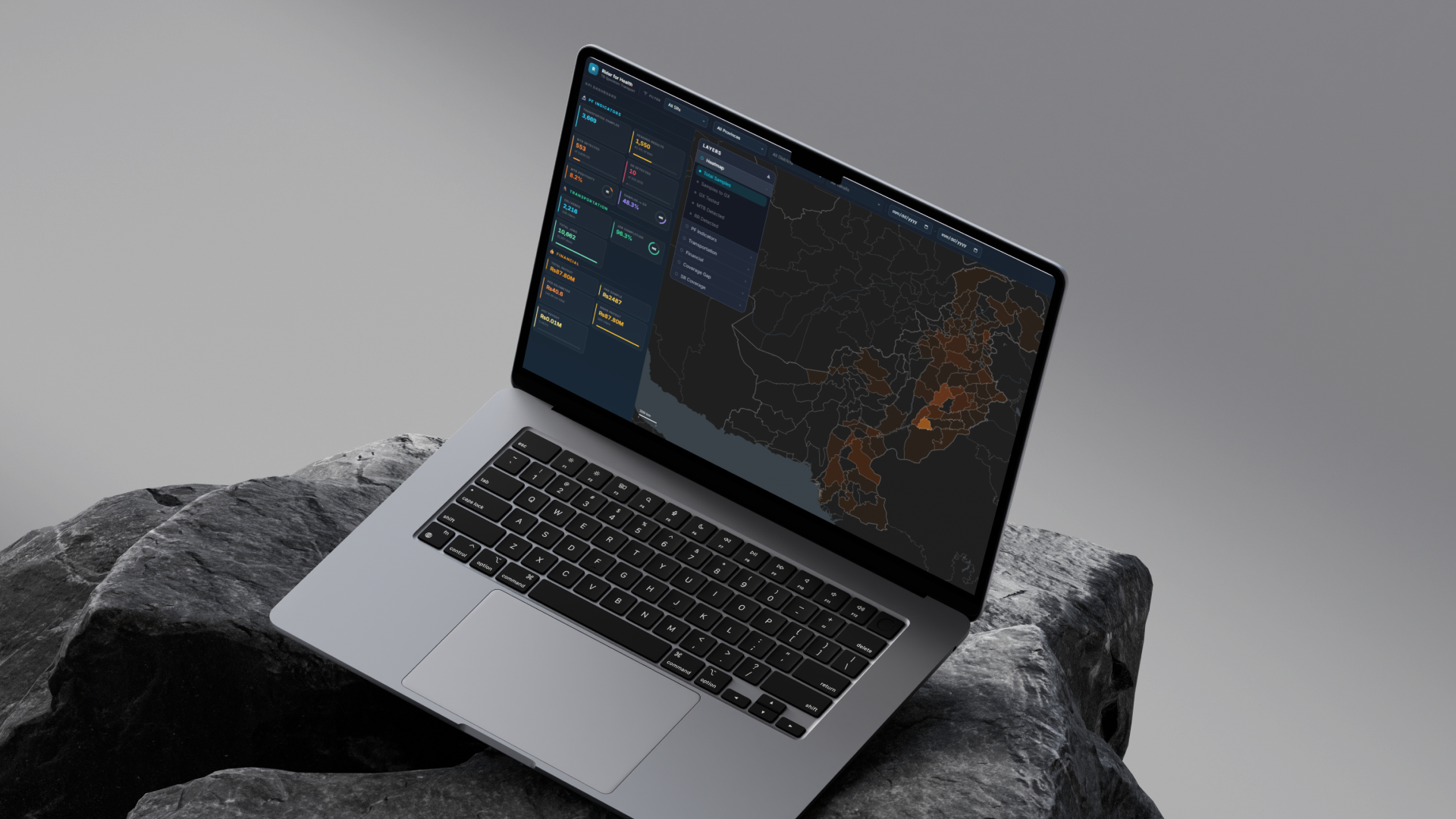
Centangle developed Rider for Health as a mobile field operations platform for Mercy Corps in Pakistan. The system supported health sector rider workflows by connecting sample collection, route tracking, delivery status updates, synchronisation, and an admin dashboard for monitoring rider performance and delivery times.
Project Overview
Rider for Health was developed to support health related field operations where riders are responsible for collecting, transporting, and updating the status of samples across different locations. The platform brought rider activity, route visibility, sample movement, delivery status, and monitoring information into one connected digital workflow, giving Mercy Corps a clearer way to manage field mobility and operational oversight in Pakistan.
The Mandate
The requirement was to build a practical mobile application that could support riders during sample collection and delivery activity while giving administrators a dashboard to monitor rider performance and delivery times. The system needed to connect mobile field updates with central visibility, support route tracking through GIS, synchronise status information, and make rider operations easier to track across the complete collection and delivery journey.
The Environment
Health field operations often depend on riders moving between collection points, facilities, laboratories, or programme locations. When sample movement is tracked manually or through disconnected communication, teams may struggle to know where a rider is, whether a sample has been collected, what stage the delivery is in, and how long the journey is taking. Rider for Health was designed for this environment, where field mobility, timely updates, and delivery visibility are essential for operational coordination.
Our Role
Centangle worked across the mobile application experience, field workflow design, GIS integration, and admin dashboard structure. The engagement focused on turning rider activity into a trackable digital journey, allowing field users to update collection and delivery progress while enabling administrators to review route activity, delivery status, rider performance, and delivery timing through a central monitoring interface.
The Challenge
Sample collection and delivery depend on coordination between riders, programme teams, collection locations, and administrative users. When this work is managed through manual calls, messages, or paper based updates, visibility becomes limited. Administrators may not know which samples have been collected, which deliveries are pending, where riders are on their routes, or how long delivery cycles are taking.
The challenge was to create a mobile first system that could support riders in the field while giving programme teams a central view of activity. The platform needed to make field updates easy for riders, keep delivery statuses synchronised, show movement through GIS route tracking, and turn rider performance and delivery times into monitorable information.
Administrators needed a clearer view of rider movement, sample status, and delivery progress across field operations.
Sample collection and delivery updates could become delayed or fragmented when handled through calls, messages, or separate records.
Field movement required GIS visibility so teams could better understand routes, travel activity, and delivery progress.
Rider performance and delivery times needed to be easier to monitor through a central dashboard.
The Solution
Centangle developed Rider for Health as a mobile and dashboard platform that connected field riders, sample collection workflows, GIS route tracking, status synchronisation, and administrative monitoring. The solution enabled riders to update sample movement from the field while giving Mercy Corps administrators clearer visibility into rider performance, delivery times, and operational progress.
The System Overview
Field Experience
Provides riders with mobile access to sample and route workflows while giving administrators visibility into deliveries, statuses, and rider performance.
Supports sample collection, delivery status updates, and field level task progression through the mobile application.
Connects rider movement with GIS route visibility and location based operational monitoring.
Enables administrators to monitor rider performance, delivery times, status updates, and field activity.
Stores sample collection details, delivery statuses, field updates, and operational activity history.
Maintains rider records, route activity, location information, and movement related data.
Supports communication between the mobile application, backend services, and admin dashboard.
Organises rider performance, delivery timing, dashboard summaries, and operational reporting information.
FEATURE 01
The mobile app supports field riders in recording sample collection and updating progress during health related delivery operations.
FEATURE 02
GIS route tracking helps programme teams understand rider movement and field delivery activity.
FEATURE 03
Collection, transit, and delivery updates are synchronised with the central system to improve operational visibility.
FEATURE 04
A central dashboard allows administrators to monitor sample movement, rider activity, delivery progress, and operational status.
FEATURE 05
The platform helps track rider performance and delivery times so teams can review field efficiency more clearly.
FEATURE 06
The mobile application gives riders a practical field interface for managing assigned tasks and updating delivery activity on the move.
The project followed a practical field operations delivery process focused on understanding rider workflows, structuring sample movement, designing mobile journeys, integrating GIS tracking, and delivering dashboard visibility for administrators.
PHASE ONE
Understanding how riders collect samples, move between locations, update delivery status, and interact with programme teams.
PHASE TWO
Structuring the rider facing mobile workflow around assigned tasks, collection actions, delivery updates, and field usability.
PHASE THREE
Planning and integrating GIS route tracking to support visibility into rider movement and delivery activity.
PHASE FOUR
Designing and developing dashboard views for sample status, rider performance, delivery times, and operational monitoring.
PHASE FIVE
Connecting the mobile application, backend services, GIS data, and dashboard environment into one functioning field operations platform.
Rider for Health helped structure sample collection and rider operations through a mobile first field platform. By connecting riders, routes, delivery statuses, and administrative monitoring, the system created clearer visibility across field logistics and reduced dependence on scattered manual updates.
WORK WITH US
Centangle helps organisations build mobile field platforms that connect people, locations, tasks, and monitoring into one practical digital workflow.