


.png)
.png)
.png)
01 · Foundation Layer
Architecture Control
Unified enterprise architecture ensures platforms, data environments, and workflows are aligned structurally rather than layered inconsistently. Structure always precedes tooling.

Trusted By Industry Leaders


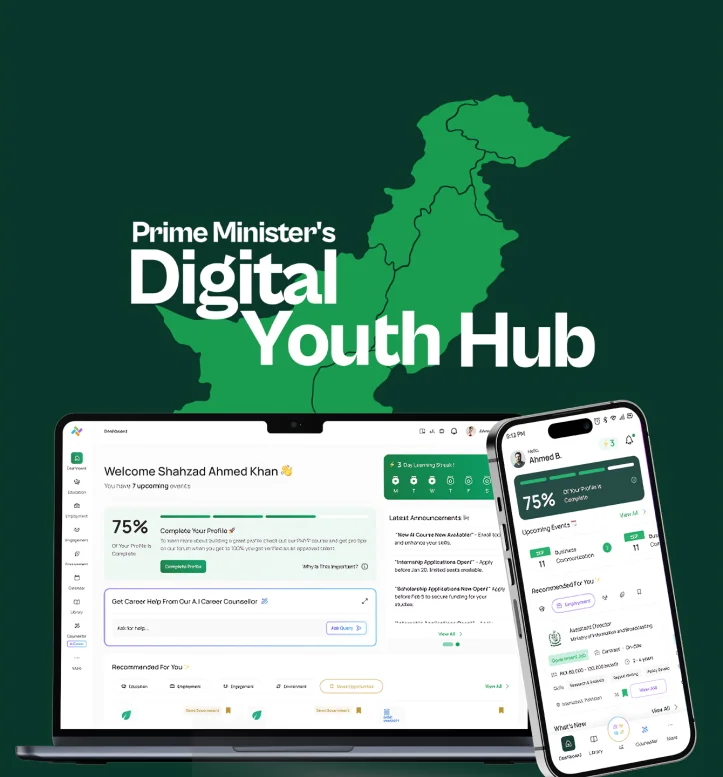
Centangle works with organisations to deliver websites, apps, dashboards, portals, MIS platforms, enterprise integrations, and long-term digital programmes with the same clarity and delivery discipline.
THE CHALLENGE
Digital problems rarely begin as major failures. They often start with small decisions: a website built without room to grow, a dashboard created without reliable data, an app launched without user clarity, or a platform added without integration.
The Response
Centangle helps organisations step back, understand the system behind the need, and build forward with clarity.
The Root Cause
The Impact
The Risk
Services
Seven practice areas built around how complex digital environments actually operate — not how they're sold in slide decks.

Centangle’s journey reflects more than years in business.
Years in Business
Satisfied Clients
Project Delivered
Sectors Served
Our Solution
Our methodology aligns enterprise architecture, integration frameworks, and governance controls to reduce digital complexity and operational risk — with every control layer reinforcing the next.
01 · Foundation Layer
Unified enterprise architecture ensures platforms, data environments, and workflows are aligned structurally rather than layered inconsistently. Structure always precedes tooling.
02 · Connectivity Layer
Defined integration pathways connect systems through structured frameworks, preventing silos and unstable connections. Interoperability is engineered in — not assumed.
03 · Governance Layer
Release governance, access controls, documentation standards, and compliance logic are embedded within system design — never added as an afterthought.
04 · Intelligence Layer
Structured reporting models and automated workflows give leadership real-time performance oversight and institutional control across every layer of the environment.
The Outcome
We begin by understanding the client’s goals, users, workflows, systems, risks, and technical context. This gives the project a clear foundation before design or development begins.
We translate discovery into a practical direction for design, architecture, features, integrations, governance, and delivery. The blueprint helps make decisions clearer before build work begins.
We design the product, platform, workflows, and user experience before development begins. This helps reduce rework and makes sure the solution reflects real requirements, not assumptions.
We build in structured phases, with testing, documentation, release governance, training, and post-launch support included where needed. Delivery stays aligned to the approved plan while remaining practical for real operating conditions.

Why Centangle
Most digital projects begin with tools. Centangle begins with the system logic behind the work: who will use it, how it will operate, what it needs to connect with, and how it should grow over time.
Our Philosophy
Digital systems rarely fail because of functionality. They fail because they were never designed to operate as one environment.
We architect interoperability from the outset not as a retrofit, but as a deliberate structural decision made before a single line of code is written.
Complex organizations do not run on clean workflows alone. They operate through dependencies, approvals, exceptions, field realities, and governance structures.
We define the logic, users, workflows, and architecture before committing to tools or development.
Our systems account for approvals, exceptions, field realities, reporting needs, and the way teams actually work.
We design platforms to connect with data, workflows, and surrounding systems instead of treating integration as an afterthought.
We build with maintainability, usability, security, and future scale in mind.
Client voices
OUR SUBSIDIARIES

Centangle AI focuses on enterprise AI systems, intelligent automation, behavioral intelligence, and scalable AI-driven operational solutions.
Visit Website
ARZ Intelligence focuses on Geo-Intelligence and Behavioral Intelligence, helping businesses leverage geographic data to improve decision-making, optimize site selection, and reduce operational costs.
Visit Website
Diran Productions specializes in high-end digital media production, visual storytelling, brand campaigns, and creative content experiences.
Visit WebsiteBlogs
Stay updated with our thoughts on technology, design, and digital innovation
Partners

Qdrant

StackAI

Symphonica

Odoo
Recognition
Centangle has been recognised by TechBehemoths across WordPress, software development, web delivery, and social media marketing — from 2021 through 2025.
WORK WITH US
Complex systems deserve structured thinking before execution. Engage us for a strategic discussion to assess your digital environment and define a disciplined path forward.