




3min read
Financial operations become difficult to manage when approvals, records, documents, budgets, and reporting move through separate files, emails, messages, and manual follow-ups.
The issue is not always that finance teams lack tools. Often, the real issue is that the workflow behind financial management is not structured enough.
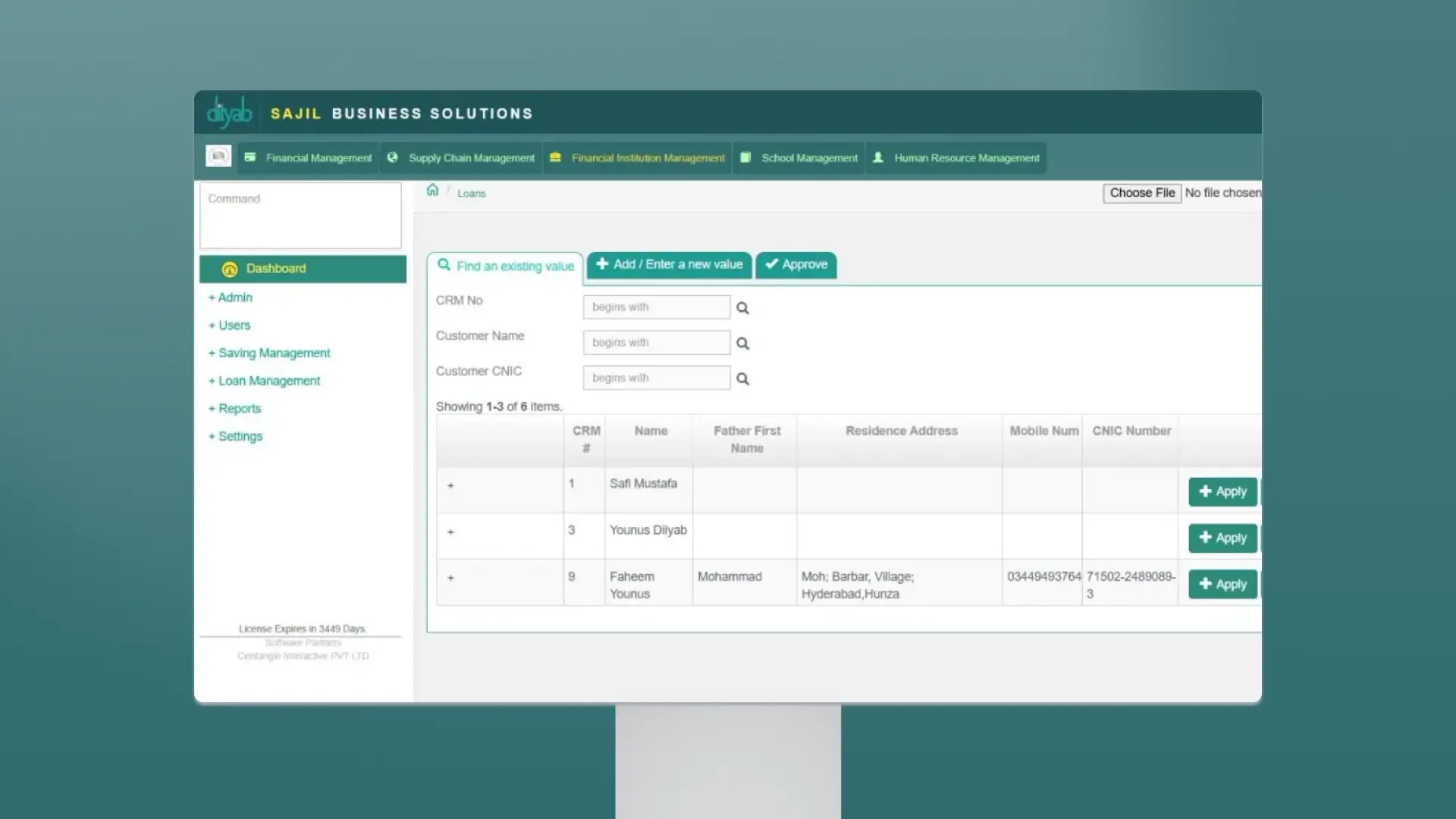
SAJIL Financial Management System was built around this need: helping financial and institutional processes move through a clearer digital environment with stronger tracking, control, and visibility.
The Problem With Manual Financial Workflows
Financial work depends on accuracy, approvals, documentation, and accountability. When these steps are managed manually, small gaps can quickly create larger risks.
A request may be raised in one place, approved through another channel, supported by documents somewhere else, and reported later through spreadsheets. This makes it harder to track what is pending, who approved what, which records are complete, and where delays are happening.
For institutions, this creates pressure on both operations and oversight. Teams need speed, but they also need control.
Why Structure Matters in Financial Systems
A financial management system is not only about recording transactions. It should support the full journey around financial activity.
That includes requests, approvals, supporting documents, review stages, budget visibility, status tracking, reporting, and accountability.
SAJIL helps bring these parts into a more organised workflow. Instead of depending on scattered coordination, teams can manage financial processes through defined steps, roles, and records.
This makes the system more useful for daily users and more reliable for managers who need visibility.
From Approval Delays to Clearer Movement
Approval-heavy workflows often slow down when ownership is unclear.
People may know that something needs approval, but not who owns the next step, whether documents are complete, or why a request is delayed.
A structured system helps solve this by showing status, responsibility, and movement more clearly. Teams can see what is submitted, what is under review, what is approved, what is returned, and what still needs action.
This reduces dependency on repeated follow-ups and makes financial work easier to manage across users and departments.
Better Reporting Starts With Better Records
Financial reporting becomes stronger when the data behind it is properly captured from the beginning.
If records are incomplete, documents are missing, or approvals happen outside the system, reporting becomes harder to trust. Teams then spend extra time checking, matching, and correcting information before reports can be prepared.
SAJIL supports reporting by bringing financial activity into a structured system environment. When requests, documents, approvals, and statuses are managed properly, reporting becomes less reactive and more reliable.
What SAJIL Shows About Institutional Systems
SAJIL shows that institutional systems need more than technical functionality. They need workflow clarity, access control, accountability, and reporting structure.
A system like this is valuable because it helps teams manage financial work with better visibility and stronger control.
At Centangle, this reflects a wider approach to custom software development. We first understand how the organisation works, where approvals happen, where records are created, and where reporting pressure exists. Then we build systems around the real process.
SAJIL is an example of how financial workflows can move from scattered coordination to a more structured digital system.
Key Takeaways
- The Problem With Manual Financial Workflows
- Why Structure Matters in Financial Systems
- From Approval Delays to Clearer Movement
- Better Reporting Starts With Better Records
Final Thoughts
Lasting transformation comes from clear goals, honest process design, and technology chosen to support how your teams actually work—not the other way around. If this article resonated, we can help you translate insight into a practical roadmap.